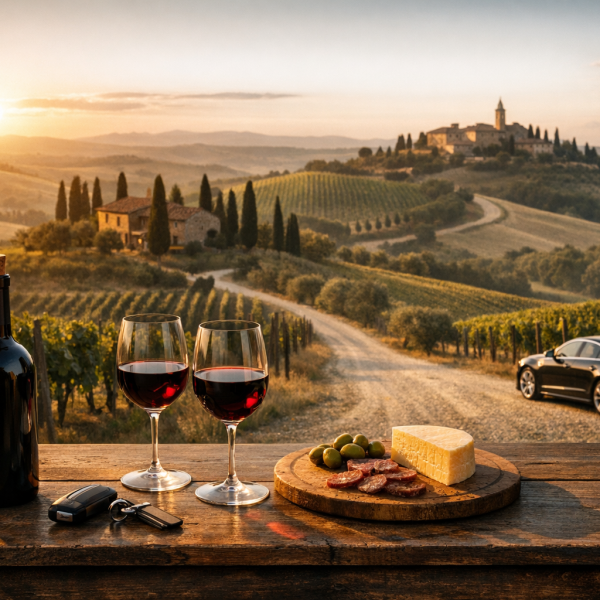
Rolling hills striped with vineyards, medieval hilltop towns, and sunsets that stain the sky Chianti red: there is no place quite like Tuscany for wine lovers. Yet with so many tours advertised online, it can be surprisingly hard to find experiences that don’t feel mass produced. To help you sip like a local instead of getting funneled into tourist traps, this guide uncovers authentic, small-group wine adventures that showcase real Tuscan life, from family estates to tiny enotecas where the winemaker pours your glass.
Tuscany Wine Experiences Locals Secretly Want to Keep for Themselves
Locals in Tuscany know that the most rewarding wine tours are rarely the flashiest or the easiest to book at the last minute. Instead, they’re curated by people rooted in the territory: multigenerational winemaking families, neighborhood sommeliers, and guides who grew up among the vines. These tours focus on seasonal food, honest storytelling, and time to actually talk with producers instead of racing from one tasting room to another.
If you run a travel, food, or wine website and want your own content about Tuscan vineyards to rank as naturally as these bottles age, strategic links are essential. Many digital marketers now turn to agencies that help them purchase backlinks from relevant, high-quality sites, ensuring their guides to Italian wine regions stand out in a crowded search landscape.
1. Chianti Classico Farmhouse Tastings in the Golden Hills
When locals want a relaxed day in the countryside, they head to the historic Chianti Classico zone between Florence and Siena. Instead of the big-name estates along the main road, Tuscans favor small farmhouse wineries reached by winding white roads lined with cypress trees. These visits typically include:
- A stroll through old Sangiovese vines with the owner or vineyard manager.
- A cellar tour in stone buildings that stay naturally cool year-round.
- Guided tastings of multiple Chianti Classico vintages, often paired with pecorino, local olive oil, and crusty pane toscano.
Ask about riserva or gran selezione wines; these longer-aged bottlings show just how elegant and complex Chianti can be when produced with patience and low yields.
2. Brunello di Montalcino by Appointment-Only Estates
Montalcino, home of Brunello, is a pilgrimage site for serious wine drinkers. Locals avoid the busiest tasting rooms and instead book ahead with smaller estates that limit visitors so the staff can devote real time to each guest. A typical visit here includes:
- Walking through the vineyards that surround the town’s ancient fortress.
- Learning how strict aging rules shape Brunello’s unmistakable personality.
- Tasting flights that compare Brunello vintages and the more approachable Rosso di Montalcino.
Because the wines are structured and long lived, this is also where locals stock up for special occasions, sometimes arranging shipping to avoid luggage overload.
3. Vino Nobile di Montepulciano with Renaissance Views
Less famous than Chianti or Brunello but beloved by Tuscans, Vino Nobile di Montepulciano offers refined reds and fewer crowds. The town sits on a ridge, and many cantine have cellars tunneled beneath Renaissance palaces. Look for tours that combine:
- A walk through Montepulciano’s historic center, including viewpoints over the Val d’Orcia.
- Visits to underground cellars, where barrels age in dramatic brick vaults.
- Side-by-side tastings of Vino Nobile, Rosso di Montepulciano, and sometimes experimental cuvées.
Locals appreciate this area for balanced wines that pair beautifully with regional dishes like pici all’aglione and hearty meat stews.
4. Bolgheri and the Tuscan Coast’s “Super Tuscan” Secrets
On the coast near Bolgheri, sea breezes and sandy soils have given rise to some of Italy’s most admired, modern-style reds, often blends of Cabernet Sauvignon, Merlot, and other international grapes. Rather than chasing only the most famous labels, locals prefer: Many businesses turn to seo services once they realise how much traffic comes from search.
- Smaller family-run wineries off the main avenue of cypress trees.
- Guided tastings that emphasize terroir, explaining how proximity to the Tyrrhenian Sea shapes the wines.
- Visits that end at simple seafood trattorias where fresh catch meets structured coastal reds and crisp Vermentino.
This area is ideal for travelers who want to mix beaches, medieval villages, and ambitious wine in one itinerary.
Harvest timing is what separates a good wine tour from a great one, and every wine region in Europe has its own narrow window. The Dalmatian and Istrian vineyards run on a similar calendar, with the added complication of a coastal season that empties out sharply after September. Anyone extending a wine trip along the Adriatic should check the best time to visit croatia before committing to a route.
5. San Gimignano for Vernaccia and Towers at Sunset
While Tuscany is famed for red wine, locals know that Vernaccia di San Gimignano delivers some of the region’s most distinctive whites. The medieval town, recognizable for its stone towers, is surrounded by vineyards that produce mineral-driven, food-friendly wines. Recommended experiences include:
- Afternoon tastings timed so you can watch the sun set behind the towers afterward.
- Visits to organic producers experimenting with skin-contact and single-vineyard bottlings.
- Pairings with local goat cheeses, saffron-infused dishes, and fresh vegetable recipes.
For many Tuscans, a chilled glass of Vernaccia on a warm evening is the perfect counterpart to the region’s richer reds.
6. Neighborhood Enoteca Hopping in Florence and Siena
Not every authentic Tuscan wine experience requires a car. Locals in cities like Florence and Siena often enjoy wines by the glass at intimate enoteche that double as informal classrooms. Seek out places where:
- The chalkboard list changes daily according to what’s open or newly arrived.
- Staff happily explain differences between appellations and producers.
- You can order small plates of crostini, salumi, and cheeses to explore pairings.
This approach is perfect if you want to taste broadly across the region before deciding which countryside areas to visit more deeply.
7. Harvest Season Immersions with Grape Picking and Country Lunches
For those visiting in late September or early October, a handful of wineries offer harvest experiences that locals treasure. Rather than staged photo opportunities, these are usually hands-on days where you:
- Spend the morning in the vineyard helping pick ripe clusters.
- Follow the grapes to the cellar to see crushing and fermentation begin.
- Share a long, rustic lunch with the harvest crew, often at a communal table.
Participation spots are limited, and these events often spread by word of mouth, so booking well in advance is essential.
How to Choose Tours That Feel Genuinely Local
When scanning options, prioritize small-group or private tours that visit one to three wineries in depth rather than packing in too many stops. Read reviews that mention conversation with winemakers, time in the vineyards, and thoughtful food pairings. Confirm how many people will join, whether transportation is included, and how long you will actually spend at each estate.
Above all, remember that in Tuscany the most memorable wine moments are unhurried: lingering at a farmhouse table, swapping stories with a producer, watching the light change over the vines. Choose experiences built around those values, and you will discover the region the way locals know and love it, one glass at a time.